.png)


Essential car event planning checklist for hassle-free success

TL;DR:
Proper planning includes setting clear goals, securing permissions, and managing logistics for safety.
Starting small and managing expectations helps build community trust and event success.
Effective promotion, communication, and safety protocols are essential for a smooth and enjoyable car event.
Planning a car event sounds exciting until the reality of permits, safety waivers, judging disputes, and parking chaos hits all at once. Whether you’re organising your first cruise night or your tenth annual show, the difference between a smooth gathering and an absolute disaster usually comes down to preparation. The details that get skipped during planning are exactly the ones that cause headaches on the day. This article walks you through a practical, evidence-backed checklist covering everything from setting goals and securing venues to managing judging classes and building post-event momentum, so you can focus on the community you’re building.
Table of Contents
Key Takeaways
Point | Details |
Clarify event type | Deciding between casual or formal dramatically affects planning steps and safety needs. |
Safety first always | Enforce strict rules, emergency plans and trained staff to keep attendees safe. |
Streamline registration | Pre-registration and transparent judging criteria reduce queues and complaints. |
Engagement matters | Promote, communicate well, and follow up to build loyal communities for future events. |
Start small, scale wisely | Launching with smaller meets allows organisers to refine logistics before expanding. |
Establishing event goals and scope
With intent set, let’s detail the foundational event specifications, starting with goals and scope.
Before you book a venue or post a single flyer, you need a clear picture of what your event actually is. Not all car gatherings are the same, and the car event differences between a casual park-up and a formal judged show are significant. Confusing the two leads to mismatched expectations, unhappy attendees, and organisational strain.
Here are the most common event types and their typical goals:
Casual cruise night or park-up: Focused on community connection, socialising, and showcasing builds in a relaxed setting. Safety rules matter more than judging criteria here.
Formal car show or competition: Requires structured judging classes, prize categories, and entry management. Transparency around scoring is critical to avoid disputes.
Charity or fundraising event: Adds layers of financial accountability, sponsorship coordination, and cause-aligned promotion.
Club-only or themed meet: Narrower audience, tighter focus, and often easier to manage logistics for first-timers.
As Phoenix EOD’s guide highlights, casual meets emphasise community and safety rules over judging, while formal shows need structured classes and prizes. Understanding which category your event falls into shapes every decision that follows.
One of the most valuable pieces of advice for new organisers is to start small. A 50-car gathering is far easier to manage than a 300-car show. Smaller events let you test your communication channels, identify venue weaknesses, and build your volunteer team before scaling up.
Pro Tip: Set a firm attendee cap for your first event. It is easier to grow than to manage an overwhelming turnout with limited resources.
Checklist for logistics: venue, approvals and communication
Once your event goals are clear, securing logistics and communicating effectively are the next priorities.
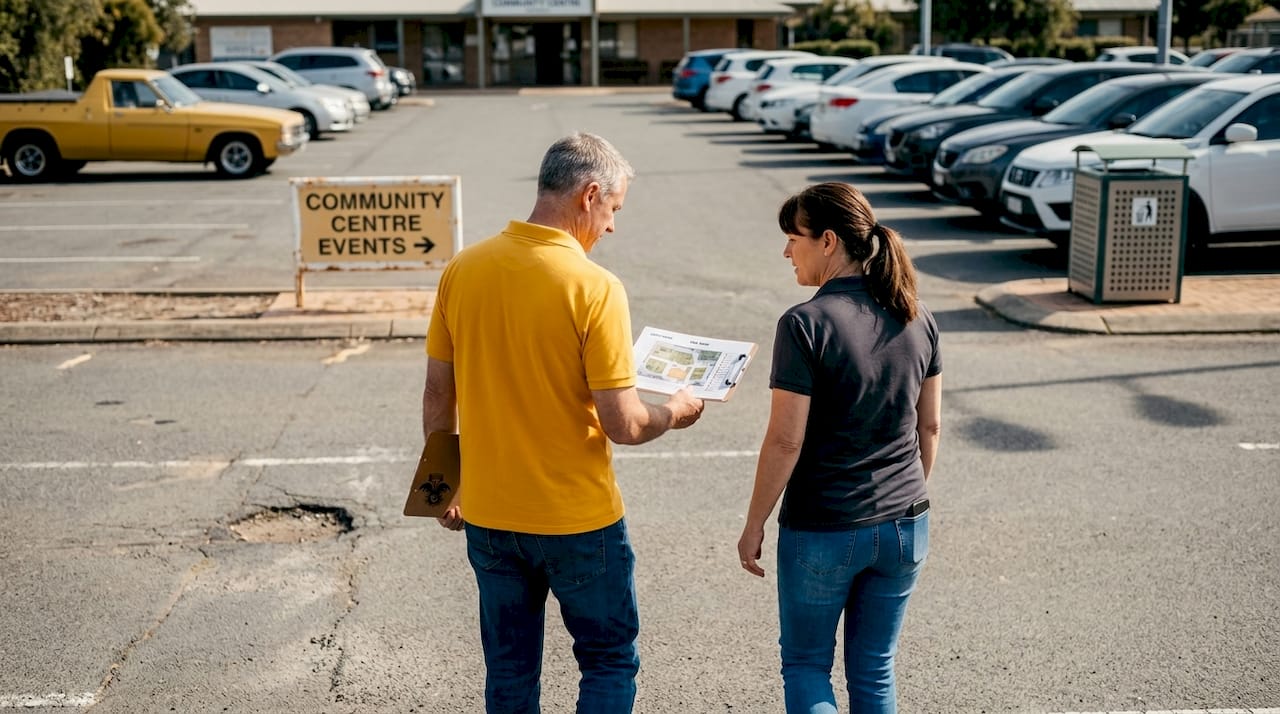
Getting the logistics right is where most first-time organisers run into trouble. A venue that looks perfect online might have noise restrictions, limited parking, or no public liability cover. Working through a structured checklist protects you and your attendees. Good car event logistics planning follows a clear sequence.
Here is a step-by-step logistics checklist to follow:
Confirm the venue: Check capacity, surface suitability for vehicles, access roads, parking flow, and any existing site rules.
Obtain council or landowner approval: Depending on your location, you may need a permit for public space use or a written agreement from a private landowner.
Arrange public liability insurance: This is non-negotiable. Most venues require it, and it protects you from claims if something goes wrong.
Define volunteer roles early: Assign specific responsibilities including traffic management, registration desk, first aid liaison, and general crowd control.
Set up communication channels: Create a dedicated group chat or event page for volunteers and a separate one for attendees. Clear lines of communication prevent confusion.
Prepare a run sheet: Document the schedule for setup, gates opening, judging, presentations, and pack-down so everyone knows what happens when.
Develop a day-of protocol: Day-of coordination includes early setup, volunteer briefings, clear announcements, and a plan for handling issues like parking disputes.
“The best-run events are not the ones with the biggest budget. They are the ones where every volunteer knows exactly what they are doing and why.” This mindset separates chaotic gatherings from genuinely great ones.
When organising automotive events, communication is as important as any physical resource. Attendees who receive clear pre-event information arrive prepared. Volunteers who understand their roles perform confidently. A well-briefed team is worth more than expensive infrastructure.
Pro Tip: Always identify a backup venue before the event day. Weather events, venue cancellations, or unexpected council restrictions can happen. Having a Plan B ready avoids last-minute panic and keeps your event on track.
Safety, rules and risk management essentials
With logistics sorted, safety and risk management become critical priorities.
Safety is the element of car event planning that carries the highest stakes. One incident can damage the reputation of your entire community, and in serious cases, expose you to legal liability. Setting and enforcing clear rules from the start is essential for successful car event management.
Core safety rules every car event should enforce include:
No burnouts, racing, or aggressive driving on or around the venue
No alcohol consumption while seated in or operating a vehicle
No dangerous or reckless behaviour including revving engines in crowded areas
Clearly defined pedestrian zones to keep foot traffic away from moving vehicles
Signed waivers for participants, especially if the event involves any timed or competitive driving
Trained first aid personnel on site for the duration of the event
A documented emergency plan that volunteers know and can execute
As Phoenix EOD’s guide outlines, safety requirements include no burnouts or racing, alcohol restrictions, waivers, trained first aid, pedestrian zones, and a formal emergency plan. Avoiding overcrowding is equally important.
The table below compares safety requirements across different event types:
Safety element | Casual meet | Formal competition |
Written rules communicated to attendees | Recommended | Mandatory |
Participant waivers | Recommended | Mandatory |
Trained first aid on site | Strongly recommended | Mandatory |
Dedicated pedestrian zones | Yes | Yes, formally marked |
Emergency plan documentation | Yes | Yes, shared with all volunteers |
Alcohol policy | No alcohol behind the wheel | Strictly enforced, zero tolerance |
Capacity limits | Informally managed | Formally enforced |
The key difference is formality, not intent. Both casual and competitive events need safety infrastructure. The more formal the event, the more documented and enforced that infrastructure needs to be. Building a culture of safety also signals respect for your attendees, your venue, and the broader automotive community.
Judging, competitions and entry management
With safety solidified, next comes the practical management of competitions and entries, details that shape attendee experience.
Judging is where even well-run car shows can fall apart. Unclear criteria, too many categories, and chaotic registration all contribute to frustrated competitors and unhappy spectators. Getting this right requires intentional planning well before the event day.
One of the most effective strategies is to use fewer, broader judging classes rather than dozens of hyper-specific categories. According to expert guidance on car shows, fewer broader judging classes lead to more meaningful competition, pre-registration prevents bottlenecks, and publishing criteria upfront prevents favouritism claims. When attendees understand exactly how winners are selected, complaints drop significantly.
Key principles for judging and entry management:
Publish judging criteria publicly before entries open so competitors can prepare accordingly
Use pre-registration systems to collect vehicle details, category preferences, and contact information in advance
Limit walk-in entries on the day to avoid registration bottlenecks during peak arrival times
Assign trained judges who understand the categories they are assessing
Use scorecards that align directly with the published criteria to maintain consistency
Separate spectator parking from competitor display areas to avoid confusion and congestion
Integrating your judging process with a well-managed event calendar planning approach also helps build anticipation and allows competitors to prepare properly over weeks, not just days.
Feature | Standard judged show | Casual meet scoring |
Formal judging criteria | Yes, published in advance | Rarely used |
Pre-registration required | Yes | Optional |
Dedicated judges | Yes, trained | Often crowd or club vote |
Award categories | Structured classes | Best in show only, or none |
Score transparency | Scorecards provided | Usually informal |
Stat spotlight: Events that use pre-registration report significantly smoother check-in processes and fewer disputes at the gate. Building your entry system around digital tools, whether a basic Google Form or a dedicated virtual car meet platform, reduces manual workload on the day and improves the overall attendee experience.
Promotion, engagement and follow-up
After managing competition and entries, successful event promotion and attendee engagement completes the planning cycle.
Even the best-planned event falls flat without the right people there. Promotion is not a last-minute task. It is a core part of your planning cycle that begins weeks or even months before gates open. Promoting car events effectively requires a layered approach that reaches your target community through multiple channels.
Here is a proven promotional sequence:
Create an event page or listing on a dedicated platform at least six weeks out, with clear details on location, rules, and entry requirements.
Share to relevant community groups including local car clubs, social media pages, and forum threads where your target audience is already active.
Contact local automotive media including blogs, YouTube channels, and community radio stations that cover car culture in your region.
Post countdown content on social media, including vehicle spotlights, venue previews, and volunteer shoutouts to build excitement.
Send reminder communications at two weeks, one week, and two days before the event to registered attendees with updated information and logistics details.
Engage on the day through live updates, photo opportunities, and on-the-spot feedback collection using simple survey tools or suggestion cards.
Using the right event planning tools to automate reminder messages, track registrations, and organise volunteer rosters saves hours of manual work and reduces the risk of communication gaps.
Day-of engagement matters as much as pre-event promotion. Coordination on the day includes early setup, active volunteer management, clear public announcements, and responsive problem-solving for issues like parking disputes or late registrations.
Pro Tip: Send a short follow-up survey within 48 hours of the event. Ask what attendees loved, what frustrated them, and what they want to see next time. This feedback is the most reliable resource you have for improving future events and retaining your community’s trust.
A fresh perspective: what seasoned organisers get right (and wrong)
Here is an honest truth that experienced event organisers rarely say out loud: most of the common mistakes are not about forgetting a checklist item. They are about ego and ambition outpacing capacity.
The single biggest error new organisers make is scaling up too quickly. It is tempting to go big on your first event, dream of hundreds of cars and sponsors and media coverage. But as expert planning resources consistently note, starting small to test logistics is the most important thing you can do. A 40-car meet run well builds more credibility than a 200-car disaster run poorly.
Seasoned organisers also know that transparency matters more than flashy prizes. Attendees do not need a massive trophy or a huge cash prize to feel respected. What they need is to know the rules are fair and applied consistently. When judging criteria are clear and scorecards are visible, complaints about favouritism disappear. When they are hidden or improvised on the spot, drama follows every announcement.
The other thing experienced planners always check is venue escalation protocol. What happens if the landowner changes their mind the night before? What if the council withdraws approval? Knowing who to call, what your rights are, and what your backup option is separates organised planners from those who are simply hoping for the best. Planning event tools that centralise your contacts, permits, and documentation make this kind of escalation far less stressful.
The most successful car event organisers are not the ones with the most resources. They are the ones who prepare for what could go wrong while staying focused on what they are building: a community that keeps coming back.
Take your car event to the next level
You have done the hard work of understanding what it takes to plan a safe, well-run, and genuinely enjoyable car event. Now the next step is finding the right platform to bring it all together.
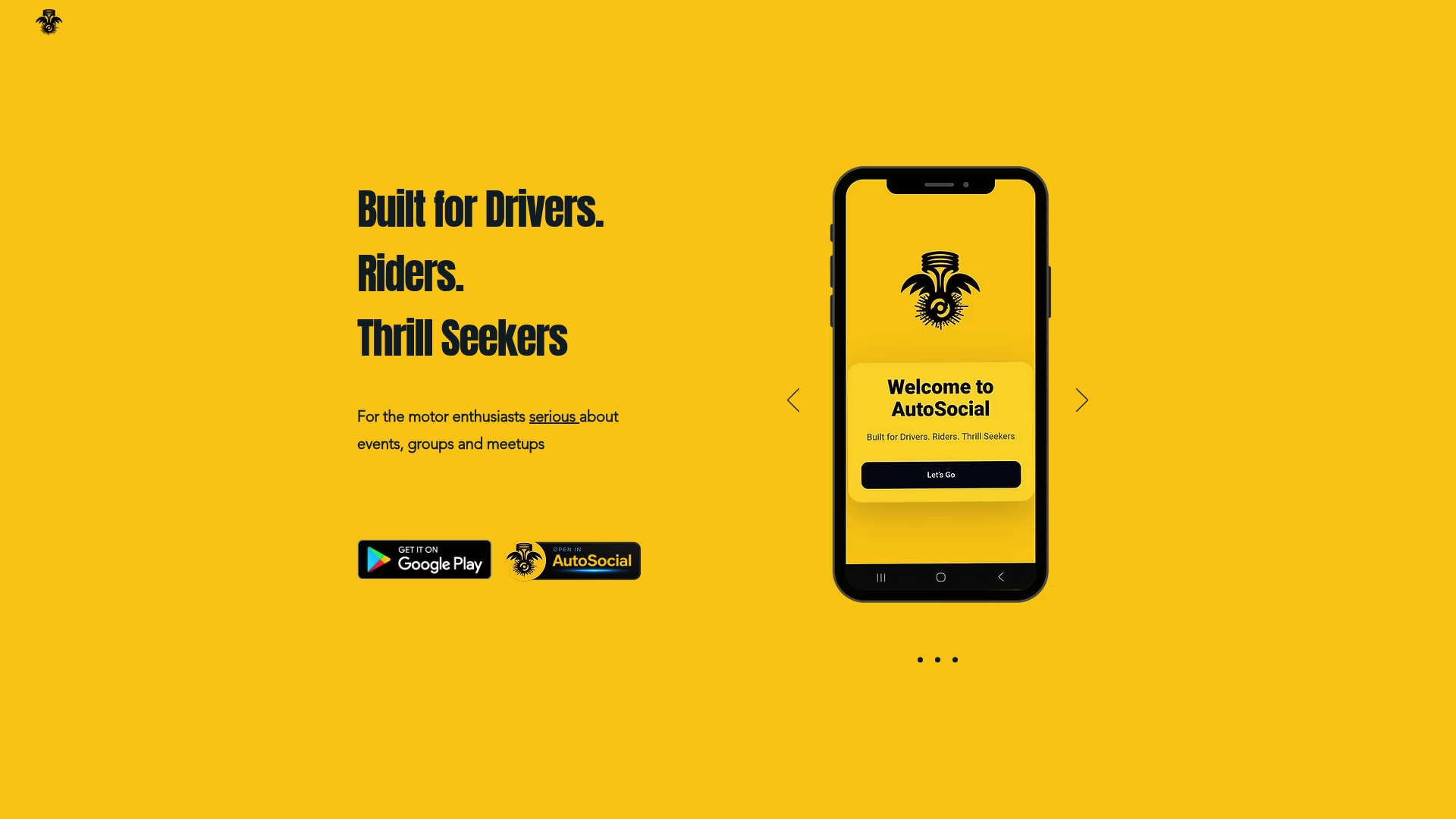
AutoSocial is built specifically for enthusiasts like you. Whether you are planning your first cruise night or managing a recurring show on a packed calendar, AutoSocial gives you a centralised space to publish events, connect with local car communities, manage private group chats, and engage your audience before and after every gathering. No more chasing RSVPs across scattered Facebook groups or hoping your post gets seen. Visit autosocial.com.au to explore event tools, calendars, and a community of passionate automotive enthusiasts ready to show up for your next event.
Frequently asked questions
What are the must-have safety measures for car meets?
Clear rules against risky behaviours such as burnouts and racing, trained first aid personnel on site, and formally marked pedestrian zones are the critical safety requirements for any car meet. Signed participant waivers and a documented emergency plan are equally important.
What is the best way to avoid bottlenecks during registration?
Enable online pre-registration well before the event and publish judging criteria publicly so entrants arrive prepared. As expert advice confirms, combining pre-registration with clearly communicated criteria dramatically reduces check-in congestion and disputes.
How should beginners start organising car events?
Begin with a small gathering of 30 to 50 vehicles to test your logistics, communication channels, and volunteer coordination before scaling up. Starting small is the single most consistent piece of advice from experienced organisers, as it allows you to build community trust and improve with genuine feedback.
What are the most effective ways to promote a car event?
Use dedicated automotive platforms, connect with local car clubs, and post countdown content across social media channels where your audience already gathers. Strong day-of coordination including clear announcements and active volunteer management also contributes to word-of-mouth promotion after the event.
Recommended


Comments