.png)


How to organise social events: automotive & water sports
- Chris Manski
- Apr 24
- 8 min read

TL;DR:
Consistent scheduling and clear structure are essential for long-term community retention.
Focused niche, accessible venues, and strong digital promotion boost event success.
Dedicated organizers and regular feedback sustain enthusiasm and prevent group decline.
Passion alone won’t keep a community alive. Most automotive and water sports groups start strong, powered by genuine enthusiasm and shared interest, but quietly fade within months once the initial excitement wears off. The real culprit isn’t a lack of love for the hobby. It’s a lack of structure. Inconsistent scheduling, poor communication, and no clear platform for discovery are the reasons promising groups stall. This guide breaks down exactly what makes enthusiast social events succeed, from defining your group’s identity to choosing the right digital tools and building the kind of consistency that keeps people coming back.
Table of Contents
Key Takeaways
Point | Details |
Consistency drives retention | Hosting events regularly keeps automotive and water sports groups thriving. |
Choose the right platform | Platforms like Meetup and specialist apps make organising and promoting events easier. |
Rules build community | Clear expectations and fair enforcement prevent drama and boost group satisfaction. |
Start simple, grow steady | Begin with accessible, well-planned meetups and expand as your community gains momentum. |
What makes a successful social event for enthusiasts
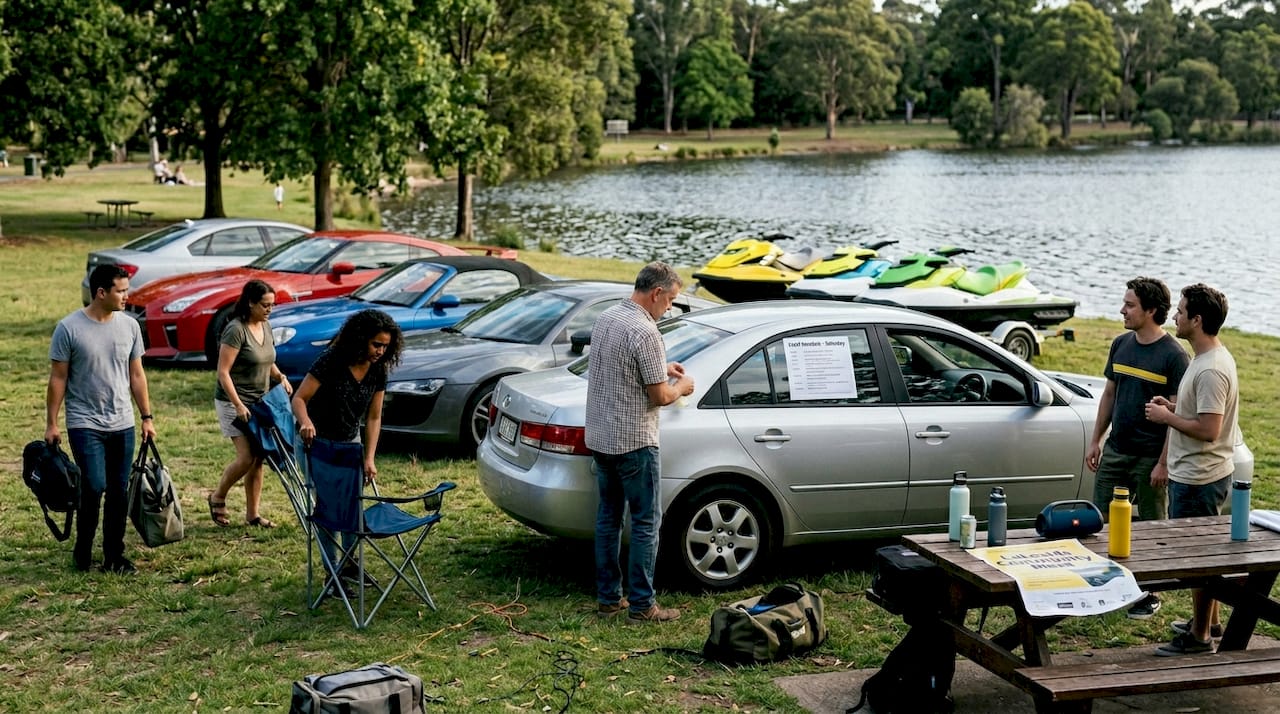
Every thriving cruise night or jetski meetup shares a few core traits. They have a clear purpose, a reliable schedule, and a welcoming atmosphere that makes newcomers feel part of something real. Without these foundations, even the most passionate group loses steam quickly.
The first step is defining your niche. Are you organising a Japanese import car club, a motorbike touring group, or a weekend paddleboard crew? A focused identity attracts the right people and makes it far easier to market your events. Trying to appeal to everyone usually means connecting deeply with no one.
Accessibility matters enormously. Choosing a venue that’s easy to find, has adequate parking or water access, and sits within a reasonable distance for most members sets you up for strong turnout. Timing is equally important. Weekend mornings and early evenings consistently outperform midweek slots for recreational groups.
Digital presence is no longer optional. Using a solid car event planning guide and leaning on established platforms gives your events visibility far beyond your immediate network. Private group chats for communication, combined with a public-facing event listing, strike the right balance between community warmth and open discovery.
Here are the most common reasons social groups flounder early:
Irregular or unpredictable scheduling that breaks trust
No assigned organiser or point of contact
Drama or interpersonal conflict left unaddressed
No-shows that deflate the group’s energy and numbers
Unclear rules around behaviour, vehicles, or participation
“Consistent event hosting every 22 days leads to 68% higher member retention compared to groups with irregular schedules.”
That statistic tells a clear story. Regularity isn’t just a nice-to-have; it’s the backbone of growth. When members know when to expect the next event, they plan around it. It becomes part of their routine. Understanding the role of community ties through event hosts explains why a committed organiser is often more valuable than a perfect venue or theme.
Step-by-step: Organising your first event
Once you understand what creates a strong event, it’s time to move from idea to action. Here’s a clear framework to take your first automotive or water sports meetup from concept to reality.
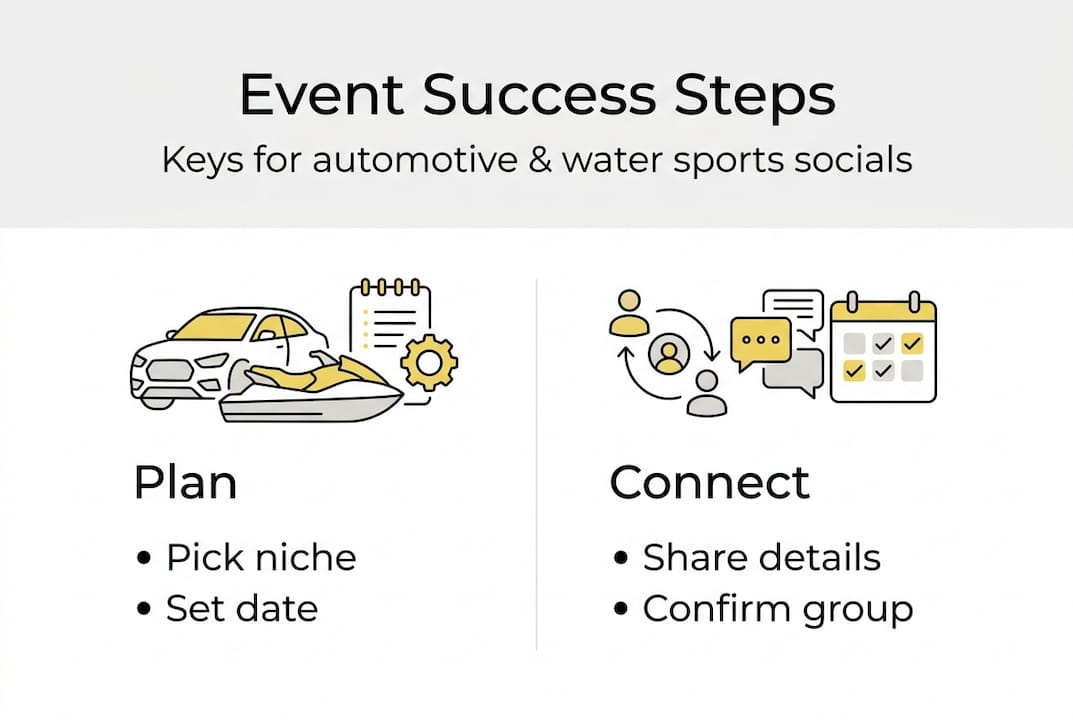
Define your goals and group identity. Decide on the focus, the vibe, and who you’re trying to attract. A clear identity makes promotion straightforward and filtering easy.
Research local demand. Search existing Facebook Groups, Meetup listings, and niche forums to see what’s already happening and where the gaps are.
Choose your event format and venue. A car park meet suits automotive groups; a boat ramp or beach access point works for water sports. Keep the first event simple.
Set a firm date and promote early. Give at least two to three weeks’ notice and use multiple platforms. According to data, 74% of first-time organisers host an event within 11 days of setting up on a platform like Meetup.
Handle RSVPs actively. Send a reminder 48 hours before and have a simple RSVP process. Knowing numbers helps with planning and reduces no-shows.
Debrief after the event. Ask attendees for feedback. What worked? What didn’t? This shapes every future event.
Pro Tip: Don’t wait until everything is perfect before launching. A simple, well-communicated event beats an elaborate one that never happens. Use event planning tools for meetups to streamline your process from the start.
Here’s a quick comparison of promotion approaches:
Approach | Best for | Reach | Ease of setup |
New groups seeking discovery | Broad | Moderate | |
Facebook Events | Local communities | Medium | Easy |
Specialist apps (DrivnBye, First2) | Niche automotive/water sports | Targeted | Moderate |
AutoSocial | Enthusiast communities only | Niche focused | Easy |
Each platform serves a different purpose. Using two or three together dramatically boosts your initial visibility without requiring much extra effort.
Choosing platforms and tools: What works best
With an event in mind, selecting the right digital tools can make or break your group’s momentum. The platform you choose affects how easily people find you, how you manage RSVPs, and how your community communicates between events.
Meetup.com is one of the most established options for auto-promotion and broad reach. Its algorithm actively suggests your group to users based on interests, which means organic discovery without constant advertising. It works well for new organisers who need an audience quickly.
Facebook Groups and Events remain powerful for local networking. Most Australians already have Facebook accounts, making the barrier to joining extremely low. The downside is noise. Automotive posts can get buried in feeds, and managing RSVPs through comments is messy.
Specialist apps address the gaps that general platforms leave. Consider what matters most to your community:
Location-based features for meet points and routes
Advanced RSVP management with waitlists
In-app chat for real-time coordination on the day
Profile customisation showing vehicle or watercraft details
Apps built specifically for enthusiasts tend to attract a more engaged user base. The DrivnBye app, for example, has earned a 4.9/5 rating from 375 users, reflecting strong community satisfaction and genuine utility for event growth.
Platform | Cost | RSVP tools | Niche focus | Discovery |
Free/paid | Basic | Low | High | |
Facebook Events | Free | Limited | Low | Medium |
DrivnBye | Free | Advanced | High | Medium |
AutoSocial | Free | Advanced | Very high | High |
Choosing between these depends on your group’s size and ambitions. Smaller groups benefit from event calendars for engagement that keep members informed without overwhelming them. Larger groups might prioritise discovery tools and the differences between event types to diversify their programme throughout the year.
Sustaining momentum: Consistency, rules, and retention
After choosing your preferred platform, the next challenge is keeping participation and the vibe running strong. Many groups hit a wall around the three to six month mark when the novelty wears off and turnout starts dipping.
Regular hosting every 22 days results in 68% more retained members. That’s not a coincidence. It reflects how humans build habits. When your group meets on a predictable cycle, attendance becomes automatic rather than a decision people weigh each time.
To keep things running smoothly at scale, consider these strategies:
Assign clear roles. A lead organiser, a communications manager, and a venue scout distribute the workload and reduce burnout.
Set RSVP deadlines. Require responses at least 24 hours before the event. This gives you accurate numbers and signals commitment.
Track attendance patterns. If the same five people consistently no-show, follow up or adjust capacity expectations.
Post a visible code of conduct. Rules around safe driving, respectful behaviour, and appropriate vehicle modifications prevent grey areas from becoming flashpoints.
Handle conflict quickly and fairly. Unaddressed drama drives away good members. A clear, calm response to issues signals strong leadership.
Pro Tip: Rotate event formats regularly. A static show-and-shine one month, a group cruise the next, then a themed meet. Variety sustains excitement without sacrificing the consistency that retains members. Explore how to drive local event success with formats tailored to both automotive and water sports crowds. For fresh ideas between events, event networking ideas can help bridge the gaps between meetups and keep your community engaged online.
Why most enthusiast groups fizzle—and what actually works
Here’s the uncomfortable truth most event guides won’t tell you: enthusiasm is everywhere. Structure is rare. The groups that endure aren’t necessarily run by the most knowledgeable gearheads or the most experienced boaties. They’re run by people willing to show up consistently, enforce boundaries, and do the unglamorous admin work week after week.
Passive organisers see the highest dropout rates. Inconsistent facilitation leads directly to member disengagement, regardless of how strong the shared interest is. People don’t leave because they lost interest in cars or water sports. They leave because the group feels unreliable.
The communities that thrive have one thing in common: they treat organisation as a craft, not an afterthought. They build feedback loops, adapt their formats, and invest in event host responsibilities the same way a coach invests in their team. Passion brings people to the first event. Reliable, well-structured experiences bring them back to the tenth.
Connect your passion with the perfect event
You now have a clear picture of what separates thriving automotive and water sports communities from those that quietly disappear. The foundation is consistency, smart platform choices, and a genuine commitment to your members’ experience.
AutoSocial is built specifically for enthusiasts like you. Whether you want to discover events on AutoSocial happening near you this weekend or launch your own group with proven structure behind it, the platform brings everything together in one place. Browse planning tools and insights to sharpen your approach and connect with a community that shares your passion. Your next great meetup is closer than you think.
Frequently asked questions
How do I prevent drama or conflict at my meetup?
Establish a clear code of conduct before your first event and communicate it to all attendees upfront. Rules enforcement is central to healthy group dynamics and long-term growth.
What platform is best for hosting automotive events?
Meetup.com offers the broadest organic reach for new groups, but specialist apps like DrivnBye deliver advanced features tailored to enthusiasts, backed by a 4.9/5 rating from its user base.
How often should I host events for my group?
Aiming for an event roughly every three weeks is ideal. Groups that host every 22 days retain 68% more members than those with inconsistent schedules.
Do I need to charge a fee for my social group?
Most local enthusiast meetups run for free, but a small fee can be reasonable if you need to cover venue hire, permits, or activity costs. Keep it transparent so members understand what they’re contributing to.
How can I promote my new group to get members fast?
Use at least two or three platforms simultaneously, including Meetup, Facebook Groups, and a specialist app. Meetup and Facebook are consistently the top channels for rapid early growth, especially when existing members actively invite friends.
Recommended


Comments