.png)


Innovative event networking ideas for car and water sports
- Chris Manski
- Apr 18
- 7 min read

TL;DR:
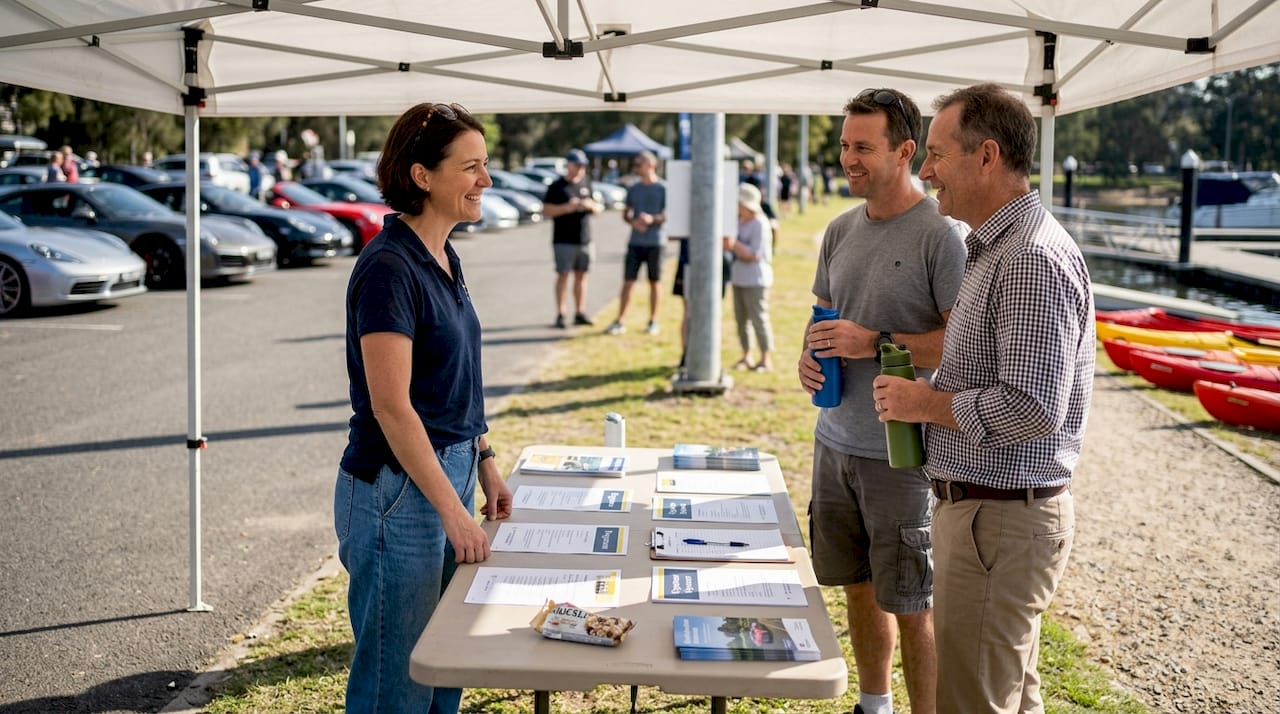
Effective networking requires clear goals, preparation, and tailored strategies for automotive and water sports events.
Gamified and facilitated activities, such as speed meets and themed group chats, enhance meaningful connections.
Post-event follow-up with personalized messages is essential for building lasting community relationships.
Meeting someone who’s paddled the same stretch of water or built the same engine is a rare kind of connection. Yet for all the passion that fills automotive and water sports events, only 15% of attendees rate their networking experience as “very effective.” That gap between potential and reality is frustrating, especially when you know the right conversation could lead to a new crew, a sponsor, or a lifelong mate. This guide unpacks practical, innovative networking strategies built specifically for car meets, jetski gatherings, cruise nights, and every event in between.
Table of Contents
Key Takeaways
Point | Details |
Set clear goals first | Know what you want to achieve from networking before choosing a strategy. |
Try gamified activities | Games like networking bingo or scavenger hunts get everyone engaged and talking. |
Facilitate structured sessions | Speed meets and group chats provide guided ways for more quality interactions. |
Nurture connections post-event | Follow up and stay involved to turn new contacts into lasting relationships. |
Define your networking goals and criteria
Now that you know why structured networking matters, start by clarifying your goals. Not all networking looks the same. Someone attending a car meet to find a local club has very different needs from a sponsor hunting for brand ambassadors or a newcomer wanting to learn from experienced riders.
Before you walk through the gates, ask yourself what a successful event actually looks like for you. Event networking consistently rates as highly important across the board, yet outcomes regularly fall short because attendees show up without a clear plan.
Here are the key criteria worth thinking through:
Your primary objective: Are you building community, finding business opportunities, or learning new skills?
Must-have connections: Identify specific people or groups you want to meet, whether that’s sponsors, mentors, or fellow club members.
Interaction style: Decide whether group conversations or one-on-one chats suit your personality and goals better.
Event environment: A jetski meetup has a very different vibe from a formal automotive expo. Tailor your approach accordingly.
Your comfort level: Know whether you thrive in structured activities or prefer organic conversations.
Spend time preparing for networking before you arrive. Review the event programme, check who’s attending, and set a realistic target for the number of meaningful conversations you want to have.
Pro Tip: Map out your ideal outcomes the night before the event. Write down three specific types of people you want to meet and one question you’d ask each of them. This simple exercise shifts your mindset from passive attendee to active networker.
Gamified networking challenges and activities
With your goals in mind, get creative. Gamification can boost both fun and impact at automotive and water sports events in ways that traditional mingling simply cannot match.
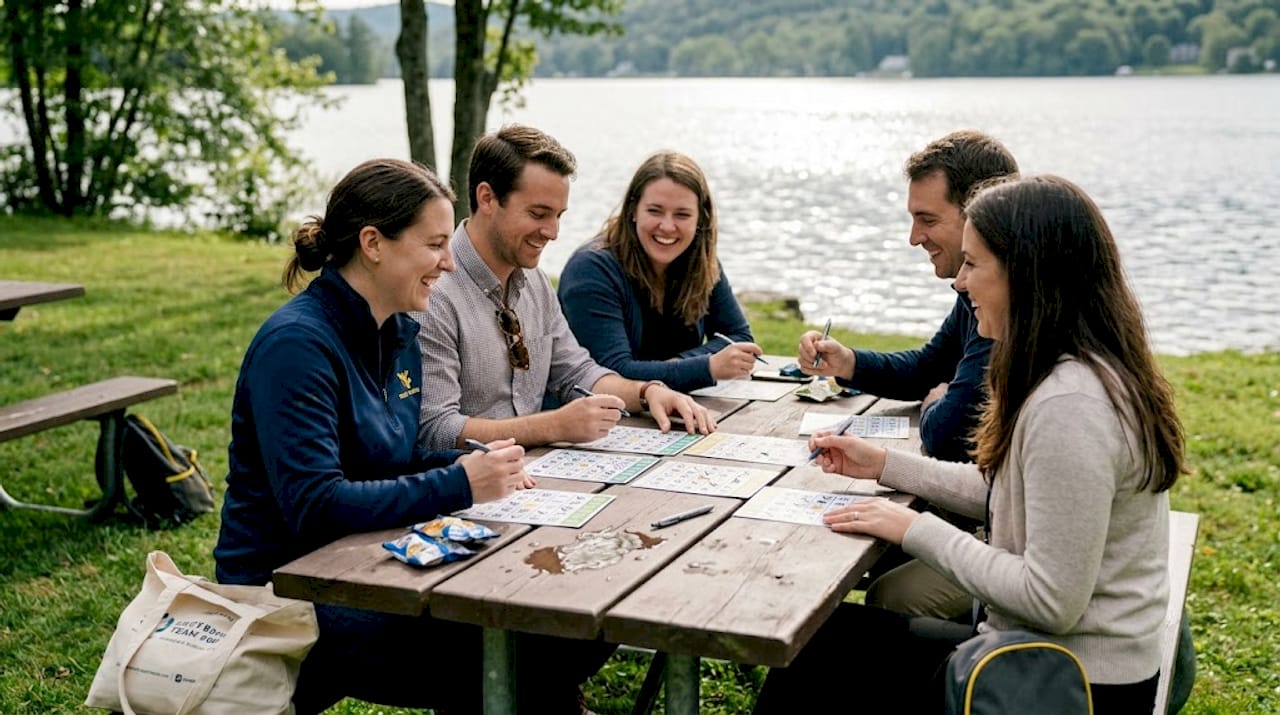
The concept is straightforward: turn networking into a structured game with light incentives. Gamification lifts sharing by 48%, though the real payoff comes from the genuine conversations sparked along the way, not just the points scored.
Here are five gamified event ideas that work particularly well for enthusiast communities:
Networking bingo: Hand out bingo cards with prompts like “meet someone who has modified their exhaust” or “find someone who has competed in a watercraft race.” First to complete a row wins a small prize.
Scavenger hunt introductions: Participants collect signatures or selfies with people who match specific criteria, encouraging real conversations rather than surface-level exchanges.
Peer introduction chains: Each person introduces the last person they met to the next, creating a natural ripple of warm introductions across the event.
Leaderboard challenges: Use a simple event app or printed scorecard to track interactions. Public leaderboards add friendly competition without pressure.
Story swap stations: Set up themed spots around the venue where people share a quick story, such as their best road trip or worst wipeout, before moving on.
The key is keeping the focus on meaningful conversation rather than chasing points. Prizes can be small, like stickers, discounts, or event merchandise, because the real reward is the connection made.
Pro Tip: Printed scorecards work just as well as apps. Keep it simple so participants spend more time talking and less time fiddling with technology.
Facilitated sessions: speed meets and group conversations
Another proven method is to structure the networking experience for maximum value. Facilitated formats remove the awkwardness of cold introductions and ensure that every attendee, not just the extroverts, gets a genuine chance to connect.
Speed networking is exactly what it sounds like: short, timed one-on-one conversations that rotate every few minutes. For automotive and water sports crowds, this format works brilliantly because the shared passion gives everyone an instant conversation starter. You already know you have something in common.
Roundtable discussions take a different approach. Small groups of six to ten people gather around a theme, such as “best local cruising routes” or “tips for first-time jetski buyers,” with a moderator keeping things on track. These sessions surface insights that would never emerge in casual mingling.
Using a timekeeper or moderator is the difference between a session that energises the room and one that fizzles out. High performers in event networking see 47.3% participation rates, yet structured facilitation remains surprisingly rare at grassroots events.
Format | Best for | Participation level | Setup effort |
Speed meets | Quick introductions, large groups | High | Low |
Roundtable discussions | Deep conversations, themed topics | Medium | Medium |
Themed group chats | Online follow-up, ongoing community | Medium | Low |
Panel Q&A | Learning from experts, inspiration | Lower | High |
Pair facilitated sessions with a community calendar so attendees can plan ahead and know what structured activities are on offer before they arrive.
Pre- and post-event strategies for ongoing connections
To keep the momentum going, smart networkers start before the event and follow up afterwards. The connections you make on the day are only as strong as the effort you put in around them.
Before the event, do your research. Review the attendee list if it’s available, identify two or three people you genuinely want to meet, and reach out in advance to schedule a quick chat. Polish a short elevator pitch that covers who you are, what you’re into, and what you’re hoping to get from the event. Keep it to thirty seconds. Practise it out loud.
For event travel tips and how to make a strong first impression when you arrive, it’s worth thinking about the full experience, not just the networking itself.
After the event, personalised follow-ups make all the difference. A generic “great to meet you” message gets forgotten. A specific reference to your conversation, such as “loved hearing about your build” or “let’s plan that group ride,” shows you were genuinely present.
Method | Speed | Personal feel | Best use case |
LinkedIn message | Fast | Medium | Professional connections |
Personal text or DM | Fast | High | Close connections, follow-up plans |
Handwritten note | Slow | Very high | Sponsors, mentors, key contacts |
Email newsletter | Medium | Low | Group updates, event recaps |
Here is a simple post-event checklist to keep connections alive:
Send personalised follow-up messages within 48 hours.
Join any group chats or clubs mentioned during the event.
Share a photo, resource, or tip relevant to someone you met.
Add upcoming events to your event planning calendar so you don’t lose touch.
Schedule a catch-up, whether it’s a coffee, a group ride, or a shared cruise night, within the next month.
Focusing on pre-event research and follow-up is what separates people who collect contacts from people who build genuine community.
Why most event networking advice misses the mark
Here’s an uncomfortable truth: most networking advice is built for corporate conferences, not for people who bond over engine swaps and early morning surf runs. The standard tips, collect business cards, work the room, follow up on LinkedIn, treat connection like a transaction. That approach falls flat in communities where authenticity is everything.
The real problem is that typical advice over-focuses on volume. How many people did you meet? How many cards did you hand out? These numbers mean nothing if the conversations were shallow. One genuine exchange with someone who has paddled the same river or built a similar rig is worth more than twenty forgettable handshakes.
Gameified and facilitated networking only works when it springs from real shared passions. A bingo card that asks you to “find someone who has modified their suspension” works because it reflects what people in this community actually care about. Rigid scripts and corporate icebreakers do not.
The real value of networking at automotive and water sports events is community engagement, not card collecting. When you focus on community-built events that celebrate shared interests, the connections look after themselves. Structure is a tool to help that happen, not a replacement for genuine curiosity.
Take your networking further with AutoSocial
Ready to make the most of your next event? AutoSocial is built for exactly this kind of community. Whether you’re organising a cruise night, a jetski meetup, or a themed car show, the platform gives you the tools to plan, promote, and connect in one place.
With private group chats, themed profiles, and both public and mystery events, AutoSocial makes it easy to find your crew and keep the conversation going long after the event wraps up. Browse upcoming events, connect with local enthusiasts, and plan your next gathering with a community that shares your passion. The connections you’re looking for are already out there.
Frequently asked questions
What is the most effective networking activity for automotive events?
Structured activities like speed meets and themed group conversations help ensure meaningful, inclusive networking at automotive events. High performers see 47.3% participation rates when facilitation is built into the programme.
How do I prepare for successful networking at a water sports gathering?
Before your event, research who’s attending and prepare a short, clear pitch so you can introduce yourself with confidence. Pre-event research and elevator pitches are consistently linked to better networking outcomes.
Do gamified networking activities actually improve event outcomes?
Networking games can increase sharing and engagement by up to 48%, but the real value shows in the follow-up connections made after the event.
Should I use digital or analogue methods for keeping in touch post-event?
Both work well. Choose digital options like LinkedIn or DMs for speed, but don’t discount personal messages or in-person follow-ups for building stronger, longer-lasting relationships.
Recommended


Comments