.png)


Master the role of event hosts for stronger community ties
- Chris Manski
- Apr 18
- 8 min read

TL;DR:
Effective hosts create welcoming, inclusive environments that foster lasting community connections.
Key skills for hosts include improvisation, public speaking, niche language, and active feedback gathering.
Successful hosting involves continuous measurement of attendance, feedback, and community engagement.
Great automotive and water sports events don’t just happen by themselves. Behind every memorable cruise night or jetski meetup is a skilled host who sets the tone, connects the crowd, and keeps the energy alive from the first greeting to the final farewell. Many enthusiasts focus entirely on the vehicles, the water, or the route, without realising that the host is what transforms a gathering into a genuine community experience. If you’ve ever wondered why some events build lasting friendships while others feel forgettable, the answer usually comes down to who’s holding it all together.
Table of Contents
Key Takeaways
Point | Details |
Hosts build community | Effective event hosts unite automotive and water sports groups, turning casual meets into thriving communities. |
Skills drive engagement | Mastering improv, niche language, and feedback techniques helps hosts deliver memorable experiences. |
Success is measurable | Attendance, feedback, and repeat participation are reliable metrics for host impact. |
Continuous improvement | Top event hosts refine their approach by learning from events, other hosts, and their communities. |
Understanding the role of event hosts in niche communities
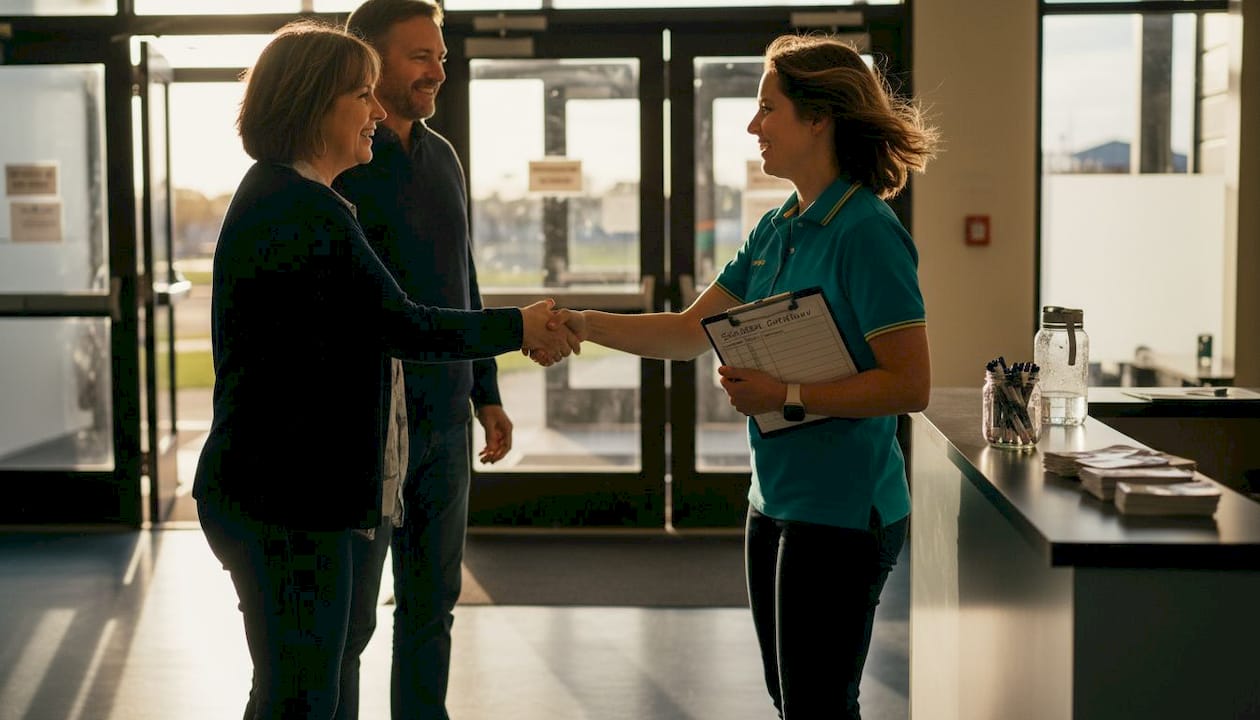
There’s a meaningful distinction between an event organiser and an event host. An organiser handles logistics: permits, venues, timing, and equipment. A host does something altogether different. They manage the human experience. They’re the first face newcomers see, the person who bridges regulars with first-timers, and the glue that holds the social fabric of a niche community together.
For automotive and water sports enthusiasts, this distinction really matters. A car meet can be perfectly arranged with great parking, solid lighting, and a stellar sound system, but if nobody is actively welcoming attendees and sparking conversations, the event stays surface-level. People admire builds from a distance and head home without making a single new connection.
The core strengths of an effective event host include:
Welcoming presence: Making every attendee feel seen from the moment they arrive
Connection facilitation: Introducing newcomers to regulars, sparking conversations across skill levels
Inclusive atmosphere: Ensuring quieter members or beginners don’t get overlooked
Energy management: Reading the room and adjusting the programme accordingly
Post-event follow-up: Checking in with attendees to encourage return visits
This last point is more important than most people realise. Hosts build stronger niche communities by facilitating networking and mentorship, creating inclusive experiences, and following up post-event to encourage repeat attendance and year-round engagement.
“The host is the heartbeat of any event. Without active community stewardship, even the best-planned gathering risks becoming a one-off rather than a recurring tradition.”
For inclusive automotive events, this community-first approach is what separates occasional meetups from thriving, year-round tribes. Similar dynamics play out in water sports circles, where swim community strategies show that consistent, people-focused hosting drives loyalty far more than venue quality alone.
Now that we understand hosts are the backbone of memorable events, let’s break down their contributions.
Key skills every effective event host should cultivate
Understanding these responsibilities, it’s important to master the key skills that drive real results. Hosting is a craft, and like tuning an engine or perfecting a water start, it rewards deliberate practice.
The top five skills every host should develop are:
Improvisation: Things rarely go exactly to plan. A host who can adapt on the fly, whether that’s filling unexpected gaps or managing a late arrival, keeps the event moving smoothly.
Public speaking: Clear, confident communication sets the tone. You don’t need to be a professional speaker, but projecting warmth and authority matters enormously.
Group management: Knowing how to break large groups into smaller conversations, manage timing, and redirect energy is essential at any gathering.
Niche language: Speaking the community’s dialect builds instant credibility. Using correct automotive terminology at a car meet, or the right paddling vocabulary at a kayak tour, signals that you belong and that you understand.
Feedback gathering: Actively collecting attendee impressions after each event gives you the raw material to improve every future gathering.
To enhance hosting skills, experienced hosts practise improv, build reusable templates and scripts, network with event planners, specialise in niche language, and measure success through attendance, feedback, and retention metrics.
Pro Tip: Create a reusable event script with modular segments, an opening welcome, a brief icebreaker prompt, a mid-event energy check-in, and a closing call to action. Having this framework means you can stay present and spontaneous rather than scrambling for what to say next.
The numbers reinforce why these skills matter. Events with engaged, skilled hosts consistently see higher rates of repeat attendance compared to events where nobody actively facilitates the experience. Attendees who feel genuinely welcomed are far more likely to return, bring a friend, and stay connected between events. Tracking these figures across a series of gatherings helps you identify where your hosting approach is working and where it still needs refinement.
Best practices and strategies for automotive and water sports event hosts
Let’s explore the specific strategies that help hosts go from good to outstanding. The challenges you face hosting a car meet differ from those at a jetski gathering, but the underlying principles are consistent.
| Challenge | Automotive events | Water sports events | |—|—|—|| | Welcoming newcomers | Designate a greeter near the entry point | Station a host at the boat ramp or launch area | | Managing noise levels | Schedule formal introductions before engines run | Use pre-launch briefings on dry land | | Safety awareness | Communicate parking rules and display etiquette clearly | Brief on water safety and buddy systems | | Keeping energy high | Rotate spotlight moments to different builds | Use group photo opportunities between runs | | Encouraging interaction | Organise judged categories to spark discussion | Pair beginners with experienced riders |
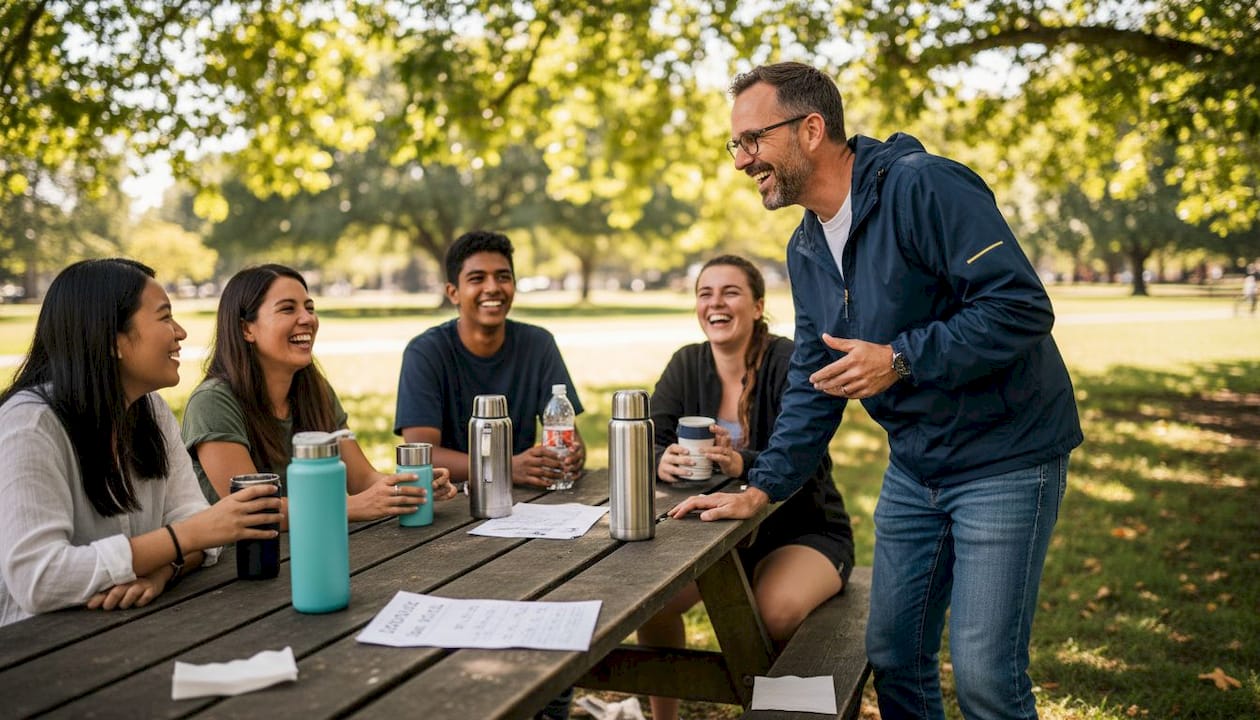
Effective welcoming techniques make an immediate difference. A simple sign-in sheet with name tags gives hosts a ready-made tool for personalised introductions. Structured icebreakers, such as asking attendees to share one modification they’re proudest of or one stretch of water they’d love to explore, get conversations started without awkwardness.
Event flow management is equally important. Building community at car events works best when there’s a loose but intentional structure: arrival and welcome, a social mingling period, a brief group moment such as a show-and-tell or group ride, and a proper farewell with a teaser for the next event.
Inclusivity isn’t a buzzword here. It’s practical. When newer members feel welcomed by the host rather than overwhelmed by veterans, event experience consistently improves for everyone involved, regulars included.
Pro Tip: When something goes wrong, such as a delayed start or a key speaker cancelling, acknowledge it briefly, stay calm, and pivot to an alternative segment. Transparency plus composure keeps trust intact.
Consistent follow-through on niche community building is what separates events that build momentum from those that plateau.
Measuring success and encouraging community growth
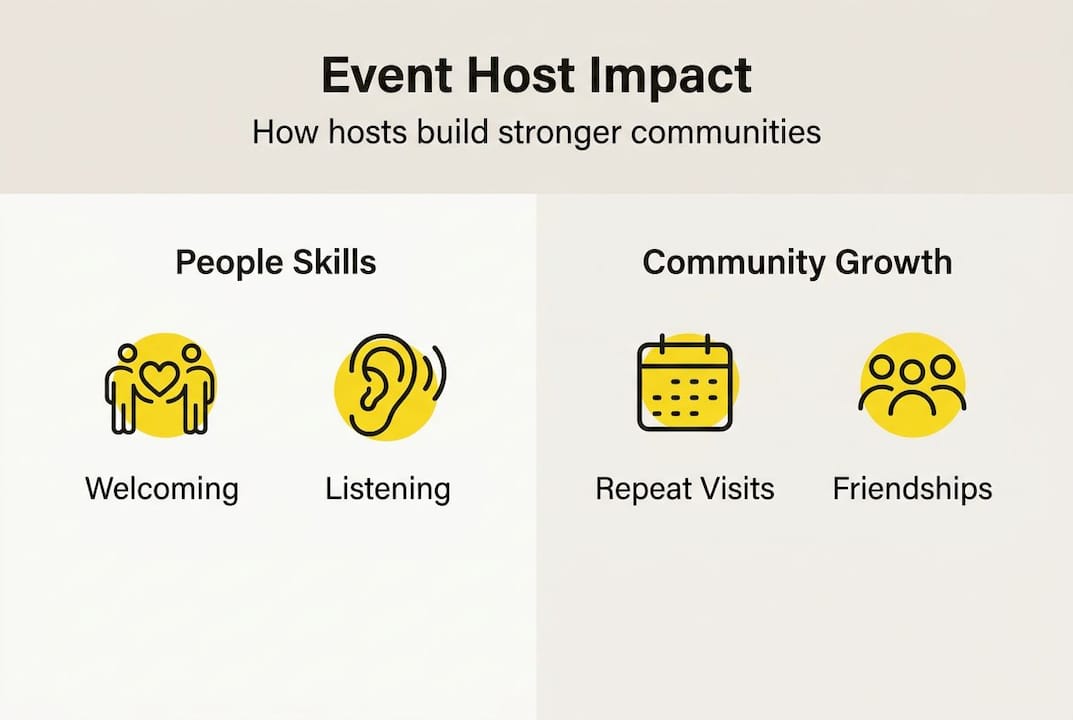
With strategies in place, effective hosts routinely measure their results for continuous improvement. Tracking the right numbers turns gut feelings into genuine insights.
Metric | What to measure | What it tells you |
Attendance | Total headcount per event | Broad interest and reach |
Repeat visitors | Percentage returning from prior events | Community loyalty and satisfaction |
Feedback scores | Post-event survey ratings | Quality of experience per attendee |
Social engagement | Shares, tags, and comments after events | Organic reach and enthusiasm |
New member introductions | Number of first-timers per event | Growth and accessibility of community |
To measure success effectively, hosts should track attendance, feedback, and retention metrics consistently across every event in their series.
Here are the key steps for following up and keeping your community active between events:
Send a thank-you message within 48 hours of the event, referencing something specific from the day.
Share a photo gallery or highlight reel on your group platform to extend the experience.
Ask one open-ended question, such as what attendees would love to see next time, to invite ongoing input.
Announce the next event date early to give people something to look forward to.
Personally reach out to newcomers to check in and answer any questions.
These steps don’t take long, but their impact compounds over time. Communities with consistent post-event follow-up tend to grow faster and retain members at much higher rates.
“Consistent, people-focused hosting is the single greatest driver of long-term community growth. Events become traditions when attendees feel the host genuinely cares about their experience beyond the day itself.”
Why most event hosts underestimate their influence and what to do differently
Here’s an uncomfortable truth: the majority of event hosts pour enormous energy into logistics and almost none into the human moments that actually create lasting loyalty. You can have the best-lit show cars in the state and still watch your community stagnate, because checklists don’t build belonging.
The hosts who genuinely transform their communities invest in small group conversations, not just announcements. They remember names between events. They mentor newer members without making a production of it. They listen far more than they speak.
The real shift is moving from a programme-management mindset to a people-first one. Every conversation you initiate, every newcomer you personally introduce to a regular, every thoughtful message you send after an event adds to a social bank account that pays dividends for years.
Seasoned hosts also personalise their interactions. They don’t just broadcast, they ask questions, notice what excites each community member, and tailor their energy accordingly. This kind of attentiveness is rare, which is exactly why it creates such disproportionate loyalty.
Pro Tip: Don’t just announce. Actively listen during your events. Ask attendees what brought them out today and what would bring them back. Those answers will shape your next event more than any planning template.
Enhance your next event with specialised tools
Ready to make your next gathering genuinely stand out? You’ve got the mindset and the skills framework. Now you need the right platform to put it all into action.
The AutoSocial event platform is built specifically for automotive and water sports communities like yours. From private group chats to public and mystery events, AutoSocial gives hosts everything they need to organise, promote, and grow their local scene in one centralised, easy-to-use space. Stop juggling scattered Facebook groups and forum threads. Start building the kind of community that keeps your people coming back, season after season.
Frequently asked questions
What is the main role of an event host at car meets or water sports gatherings?
An event host creates an inclusive, welcoming environment, facilitates networking, and ensures every attendee feels involved. Hosts build stronger niche communities by facilitating networking and mentorship at every gathering.
How can hosts improve their event hosting skills?
Practise improv, create reusable templates, learn sector-specific language, and seek feedback from attendees to continually improve. Specialising in niche language and building scripts are particularly effective strategies for growth.
What makes an automotive or water sports event host successful?
Success comes from consistently high engagement, regular follow-ups, and creating memorable, repeatable experiences. Tracking attendance, feedback, and retention across multiple events is how the best hosts stay on track.
What metrics indicate a thriving event host and community?
High repeat attendance, upward feedback trends, and year-round participant involvement signal successful hosting. Repeat attendance and year-round engagement are the clearest signs that a host is building something truly lasting.
Recommended


Comments