.png)


User-generated events: 81% health boost for enthusiasts
- Chris Manski
- Apr 15
- 8 min read

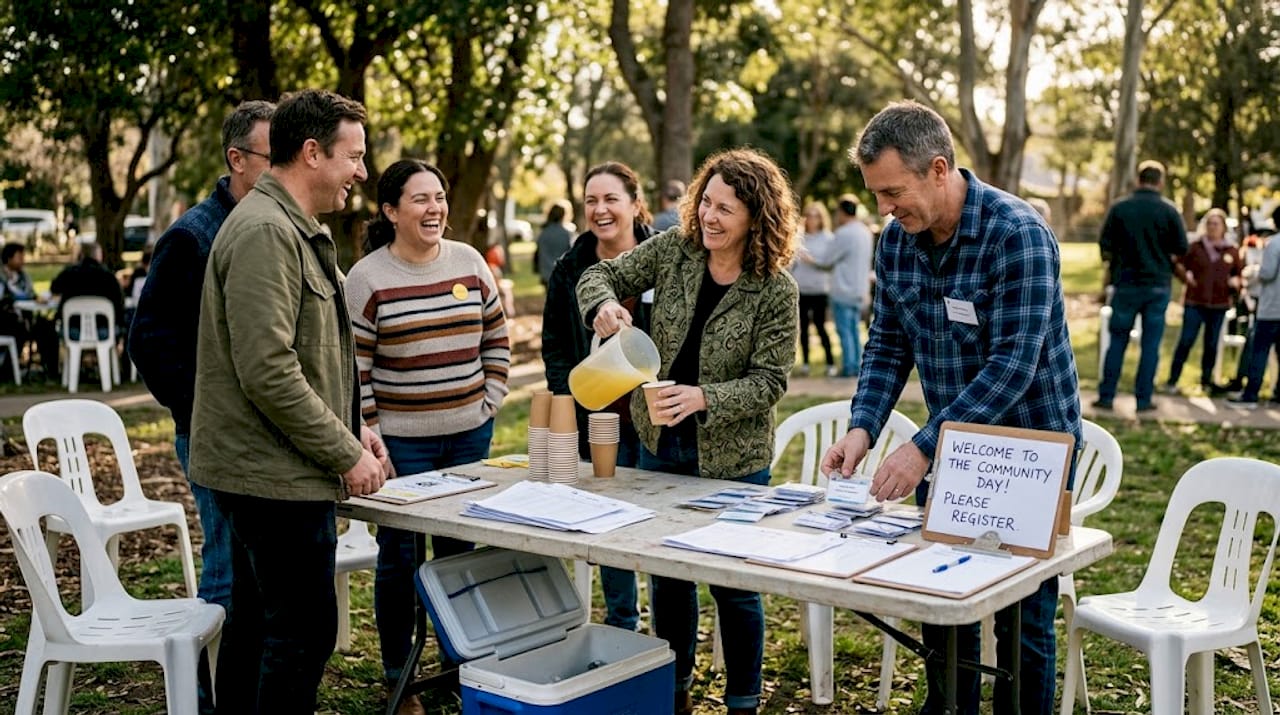
When 81% of water sports attendees report improved health and wellbeing after participating in community events, it’s hard to dismiss these gatherings as casual get-togethers. For automotive and water sports enthusiasts, user-generated events are quietly reshaping how communities form, grow, and stay connected. They’re not polished brand activations with corporate budgets. They’re raw, passionate, and built by people who genuinely love what they do. In this article, we’ll cover what user-generated events actually are, which platforms power them, the measurable impact they create, and how to run them safely and inclusively.
Table of Contents
Key Takeaways
Point | Details |
Community-driven impact | User-generated events strengthen engagement, loyalty, and health for automotive and water sports participants. |
Technology as a tool | Platforms like Ryvve and AutoLNK streamline creation, discovery, and participation of events, enhancing reach and effectiveness. |
Measurable results | UGC delivers 4x higher click-through rates and influences 79% of purchase decisions in both automotive and water sports. |
Safety and inclusion | Hybrid tech solutions and targeted workshops notably increase safety and inclusivity, with attendance boosts up to 300%. |
What are user-generated events and why do they matter?
A user-generated event is any gathering planned and hosted by community members rather than an official brand or organisation. Think of a Saturday morning car meet at a local servo, a group jetski run along the coast, or a spontaneous surf challenge organised through a Facebook group. Nobody from a marketing department signed off on it. The community just made it happen.
This is what separates user-generated events from brand-driven ones. Corporate events are designed with business goals in mind, whether that’s product launches, sponsorship exposure, or media coverage. User-generated events exist purely because the participants want them to. That distinction matters enormously when it comes to authenticity and connection.
In the automotive world, user-driven automotive events range from weekly cruise nights and track days to themed show-and-shine meetups. In water sports, they look like paddleboard races organised by local clubs, kayak tours coordinated through community apps, or open-water swim challenges set up by enthusiasts for enthusiasts. The common thread is ownership. Participants feel invested because they built it.
Here’s why that matters:
Engagement: Participants who help shape an event are far more likely to attend, contribute, and return. Community ownership drives repeat participation in ways that top-down events rarely achieve.
Loyalty: Shared experiences create lasting bonds. When you’ve cruised the same road or paddled the same stretch of water with the same group, those memories stick.
Health and wellbeing: User-generated events improve engagement and health for water sports enthusiasts in measurable ways, from increased physical activity to stronger social connections.
Accessibility: Community-run events tend to be lower cost, more welcoming, and easier to join than ticketed brand events.
“The most powerful events aren’t the ones with the biggest budgets. They’re the ones where every attendee feels like they belong.”
For automotive and water sports communities, this sense of belonging is the whole point. It’s what keeps people showing up week after week, rain or shine.
Platforms and tools powering user-generated events
Understanding the ‘what’ sets us up to explore ‘how’, specifically the digital tools that make these events achievable. Organising a community event used to mean posting in a forum, hoping people saw it, and then chasing RSVPs through a dozen different channels. Today, dedicated platforms have changed that entirely.
Platforms like Ryvve and AutoLNK centralise what used to be a fragmented mess of group chats, social media posts, and word-of-mouth. They bring event creation, discovery, attendance tracking, and communication into a single place. For organisers, that’s a game changer.
Here’s a comparison of the top platforms currently available:
Platform | Maps | RSVPs | Real-time tracking | Community profiles |
Ryvve | Yes | Yes | Yes | Yes |
AutoLNK | Yes | Yes | No | Yes |
RoadStr | Yes | No | No | Yes |
Cars2Meet | No | Yes | No | No |
Each platform has its strengths. Ryvve leads on real-time features, making it ideal for cruise nights or convoy events where location matters. AutoLNK focuses on community profiles and event discovery. RoadStr suits road trip planning. Cars2Meet keeps things simple for local meets.
Here’s how to get the most out of these tools:
Create a detailed event listing with location, time, vehicle type, and any entry requirements.
Use map-based features to share routes or meeting points clearly.
Enable RSVPs so you can gauge attendance and communicate updates.
Share across multiple channels including your platform profile, group chats, and social media.
Follow up after the event with photos and recaps to build momentum for the next one.
The automotive engagement study from Kilowott shows that well-designed digital tools significantly increase both event attendance and ongoing community participation. The event organisation platforms that succeed are the ones that reduce friction at every step, from discovery to attendance.
Pro Tip: Cross-post your event on at least two platforms and include a clear, eye-catching photo. Events with images consistently attract more attendees than text-only listings.
Real impact: Community, engagement, and decision-making
Once platforms are in place, the impact becomes measurable. Let’s look at the results and what they mean for participants and brands alike.
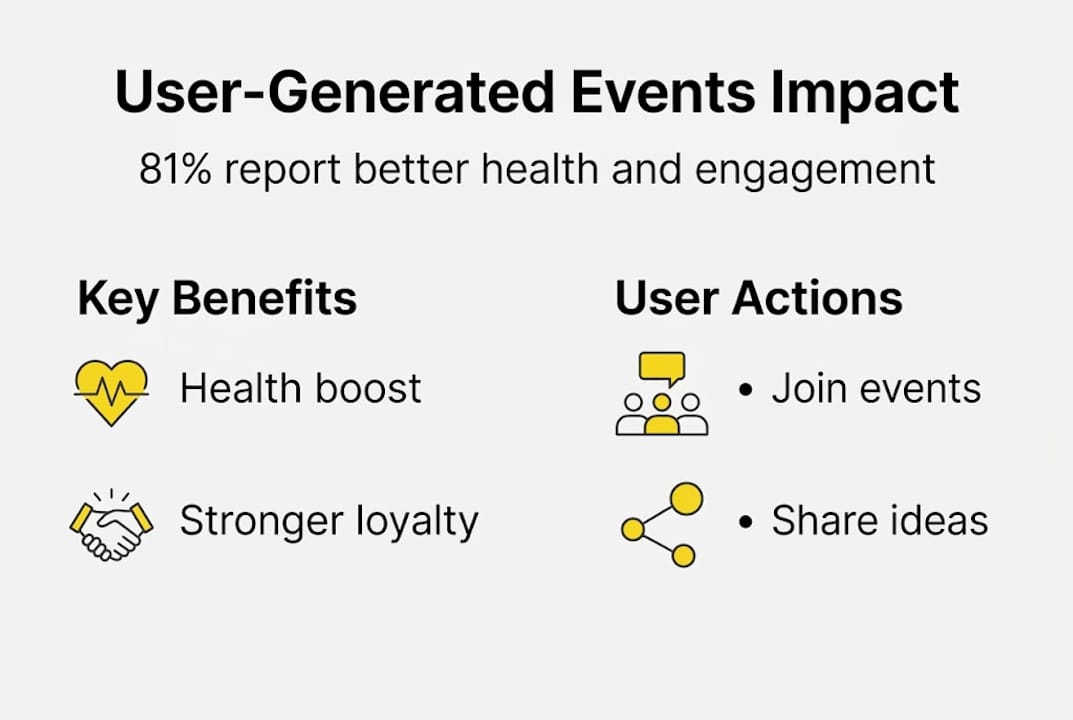
The numbers are genuinely striking. UGC drives 4x higher click-through rates and influences 79% of consumer decisions. That means when someone posts a photo from a car meet or shares a video from a jetski run, it carries far more persuasive weight than any polished advertisement. Real people, real moments, real influence.
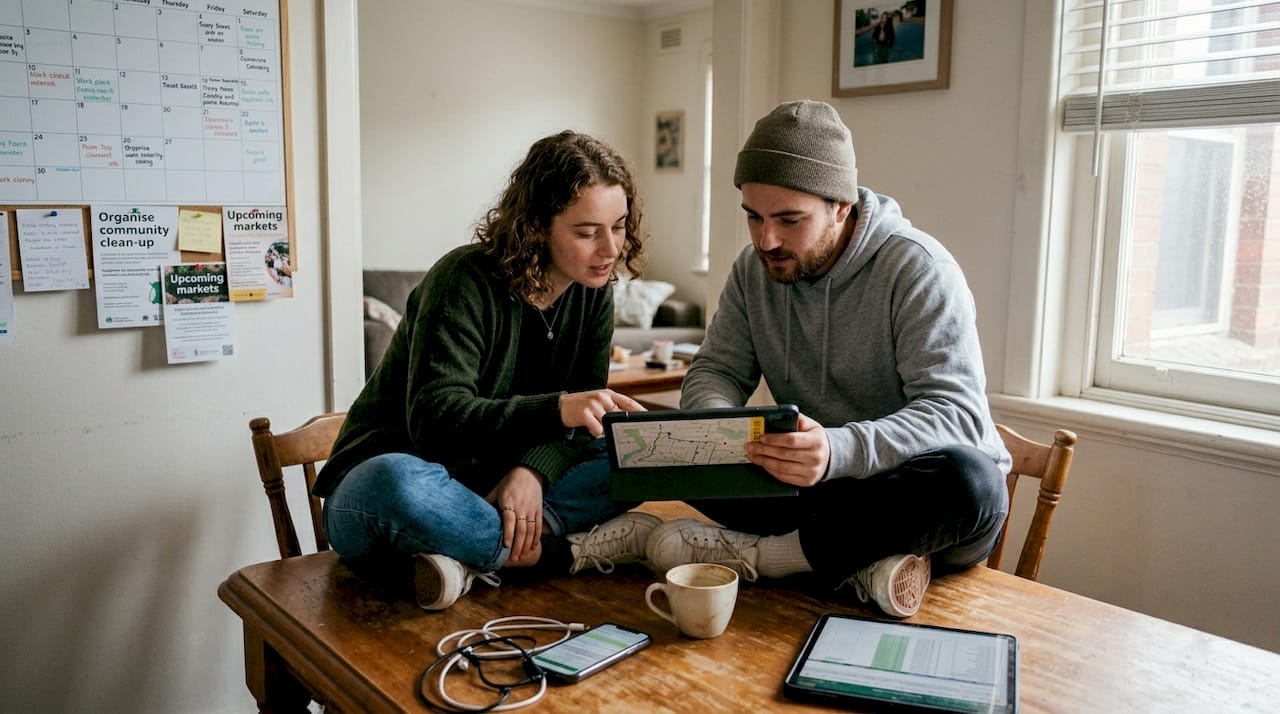
On the platform side, automotive apps see 10K+ monthly active users with strong session times and engagement rates that rival mainstream social media. That’s not a niche audience. That’s a thriving community.
Metric | Automotive platforms | Water sports platforms |
Monthly active users | 10,000+ | 8,000+ |
Average session length | 6.2 minutes | 5.8 minutes |
Event click-through rate | 4x industry avg | 3.5x industry avg |
Health improvement reported | 75% | 81% |
Here’s what user-generated events specifically drive for participants and advantages for brands and users:
Purchase decisions: 79% of people say community content influences what they buy, from gear to vehicles to accessories.
Repeat attendance: Events with strong community ownership see significantly higher return rates than one-off brand activations.
Physical activity: Regular event participants report higher levels of exercise and outdoor time.
Social wellbeing: Belonging to an active community reduces isolation, particularly for enthusiasts in regional areas.
81% of water sports event participants report improved health outcomes. UGC content generates 4x higher click-through rates than traditional advertising.
These aren’t soft metrics. They represent real behavioural change driven by community participation. For anyone organising or attending these events, that’s a compelling reason to keep showing up.
Challenges, safety, and best practices
With impact established, organisers face practical realities. Let’s unpack what it takes to run successful events.
User-generated events come with genuine challenges. Safety is the most critical. Whether you’re coordinating a convoy of modified cars or an open-water swim, the risks are real and the organiser carries responsibility even without a formal legal structure.
“AI-powered safety systems now reduce false alarms by 72% in open water events, while targeted inclusivity workshops have boosted women’s participation by 300%.”
That statistic from Open Water Safety 2026 highlights two important trends: technology is making events safer, and intentional inclusivity efforts are working. Both deserve attention from anyone running community events.
Here are the steps that make events safer and more inclusive:
Conduct a risk assessment before every event. Identify hazards specific to your activity, whether that’s traffic management for a cruise night or water conditions for a paddleboard race.
Establish clear communication channels so participants can receive updates and report issues in real time.
Include beginners explicitly. Welcoming language in event listings and a designated buddy system for newcomers removes the intimidation factor.
Partner with local clubs or organisations that have existing safety frameworks and insurance coverage.
Run post-event debriefs to identify what worked and what needs improvement for next time.
Tech adoption is another hurdle. Not every enthusiast is comfortable using apps or digital platforms, particularly older members of automotive communities. Offering a simple printed flyer or a phone number alongside your digital listing ensures nobody gets left behind.
Pro Tip: Combine your digital event listing with an in-person presence at your local car meet or boat ramp. Word of mouth from a trusted face converts better than any online post.
Why digital tools can’t replace real community connections
After examining best practices for event organisation, it’s worth reflecting on where technology actually fits in, especially when community is the whole point.
Here’s the uncomfortable truth: no app will ever replicate the feeling of standing next to someone who loves the same things you do. Digital platforms complement the value of physical meets, but they don’t replace it. The platform is the map. The event is the destination.
We’ve seen communities become overly reliant on digital tools and lose the texture of real connection. Event RSVPs go up, but genuine conversation goes down. People attend but don’t stay. The algorithm optimises for clicks, not for the moment someone hands you a spanner or pulls you back into the boat.
The automotive and water sports communities we admire most use technology as a launchpad, not a lounge. They organise online and then show up fully in person. They share photos after the event, not instead of the experience. The platforms matter because they reduce friction. But the reason people keep coming back has nothing to do with the app. It’s the people, the machines, the water, and the shared obsession that keeps communities alive.
Discover, organise, and join events with AutoSocial
Everything covered in this article points to one practical need: a better way to find and run events that actually bring your community together.
Organise your next event with AutoSocial, a platform built specifically for automotive and water sports enthusiasts. Whether you’re setting up a local car meet, a jetski run, or a group cruise, AutoSocial gives you the tools to create, promote, and manage your event in one place. You can build themed profiles, set up private group chats, and choose between public or mystery events to keep things interesting. Stop juggling Facebook groups and scattered forum posts. AutoSocial is where your community already wants to be.
Frequently asked questions
What makes user-generated events more effective than official brand events?
User-generated events foster greater engagement and loyalty because participants have a direct stake in the outcome. Water sports events drive engagement and measurable health outcomes that brand-run events rarely match.
How do digital platforms improve event organisation?
Platforms like Ryvve and AutoLNK bring maps, RSVPs, and real-time updates into one place, removing the friction of coordinating across multiple channels. Ryvve and AutoLNK centralise event organisation and make it far easier to grow attendance.
Are user-generated events safe and inclusive?
Yes, when organisers apply the right practices. AI reduces false alarms by 72% in open water settings, and inclusivity workshops have boosted attendance by 300%, showing that safety and welcome can be built intentionally.
Does attending these events actually impact my health or decisions?
Absolutely. 81% of participants report improved health outcomes, and 79% of purchasing decisions are influenced by community content and event participation.
Recommended


Comments